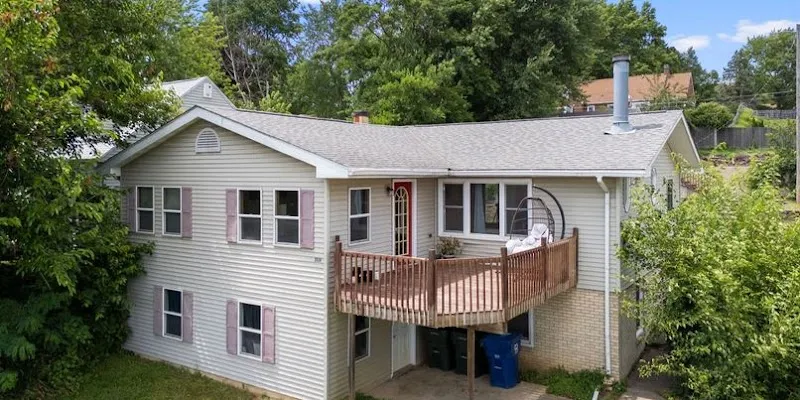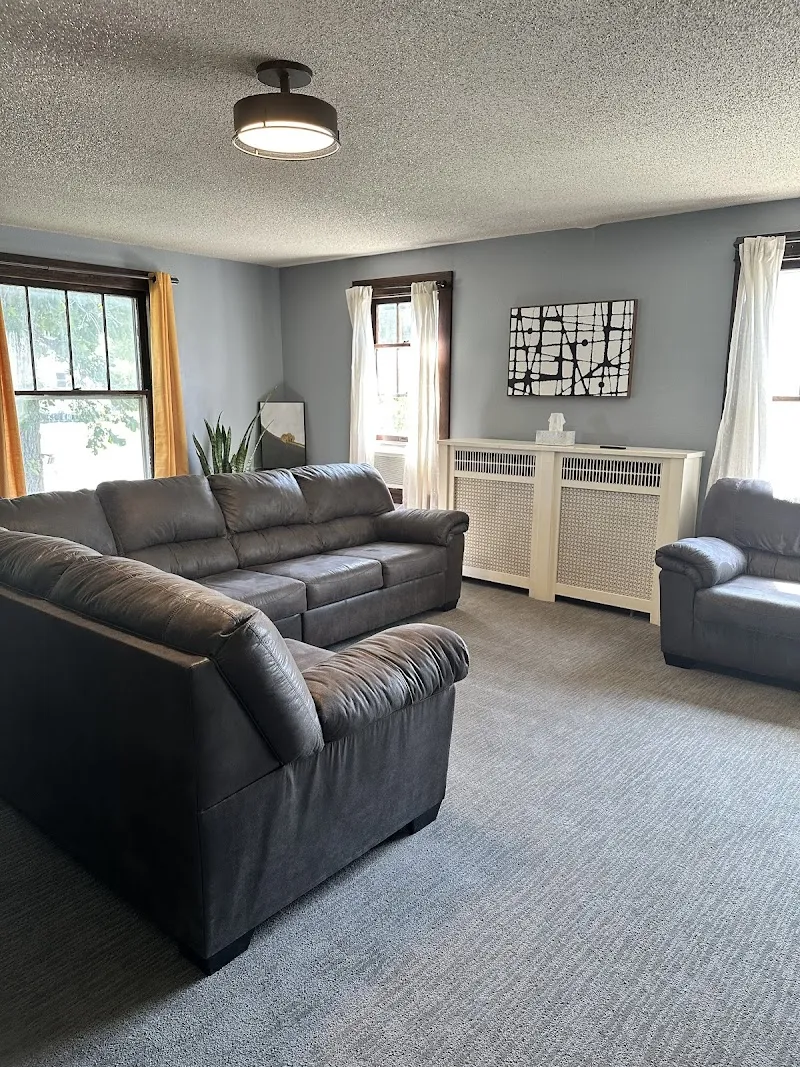
Living with a dual diagnosis, which refers to the coexistence of a mental health disorder and a substance use disorder, can be a challenging experience. For individuals in Iowa, finding the right treatment options is crucial for recovery. Understanding what dual diagnosis means, its common co-occurring conditions, the importance of integrated treatment, and how to access help can pave the way for a healthier future.
什么是双重诊断?
Dual diagnosis occurs when an individual struggles with both a mental health condition and a substance use disorder simultaneously. This intersection can complicate the treatment process, as each condition can exacerbate the other. For instance, someone struggling with depression may turn to alcohol as a form of self-medication, which can worsen their depressive symptoms.
Common Co-occurring Conditions
Several mental health disorders frequently co-occur with substance use disorders. Understanding these conditions can help individuals recognize their own experiences and seek appropriate treatment. Here are some common co-occurring conditions:
- 沮丧: Many individuals with depression may use substances to escape their feelings of sadness, hopelessness, or worthlessness.
- 焦虑: Those suffering from anxiety may turn to drugs or alcohol to cope with overwhelming feelings of fear or worry.
- 创伤后应激障碍(PTSD): Individuals with PTSD often experience flashbacks and severe anxiety, leading them to self-medicate with substances.
- 躁郁症: People with bipolar disorder may use drugs or alcohol during manic or depressive episodes, complicating their mood regulation.
为什么综合治疗至关重要
Integrated treatment refers to an approach that simultaneously addresses both mental health and substance use disorders. This holistic method is crucial for several reasons:
- 全面护理: Integrated treatment provides a comprehensive approach that addresses the root causes of both disorders, rather than treating them in isolation.
- 结果改善: Studies show that individuals who receive integrated treatment are more likely to achieve long-term recovery compared to those who undergo separate treatments.
- Reduced Stigma: By treating both conditions together, integrated treatment helps reduce the stigma associated with seeking help for mental health and substance use issues.
Finding Dual Diagnosis Programs in Iowa
If you or a loved one is seeking dual diagnosis treatment in Iowa, there are several options available:
- Community Mental Health Centers: Many counties in Iowa have community mental health centers that offer integrated treatment programs. These centers often provide a range of services, including therapy, medication management, and support groups.
- Private Treatment Facilities: Iowa has several private rehab facilities specializing in dual diagnosis treatment. These centers typically offer personalized treatment plans that include both individual and group therapy.
- 互助小组: Organizations like Alcoholics Anonymous (AA) and Narcotics Anonymous (NA) often have support groups specifically for individuals with co-occurring disorders. These groups can provide valuable peer support and encouragement.
- 在线资源: The Iowa Department of Public Health and various nonprofit organizations provide online directories of treatment facilities and resources available in the state.
如何获得帮助
Taking the first step towards recovery can be daunting, but it is essential to seek help. Here is a simple guide on how to get started:
- 评估您的需求: Reflect on your symptoms and determine if you are experiencing both a mental health disorder and a substance use disorder.
- 联系我: Contact a mental health professional, a local treatment facility, or a helpline to discuss your situation and explore treatment options.
- Involve Loved Ones: Engage family members or trusted friends in your recovery journey. Their support can be invaluable during this challenging time.
- Explore Treatment: Once you find a suitable program, be open to the treatment process. Integrated programs often involve various therapies, including cognitive-behavioral therapy (CBT), group therapy, and medication management.
Recovery from dual diagnosis is possible, and with the right support and treatment, individuals in Iowa can lead fulfilling lives. Remember, you are not alone, and help is available.
More Recovery Resources in Iowa
Sober Network is a directory, not an intake form. Explore local facilities and contact providers directly.