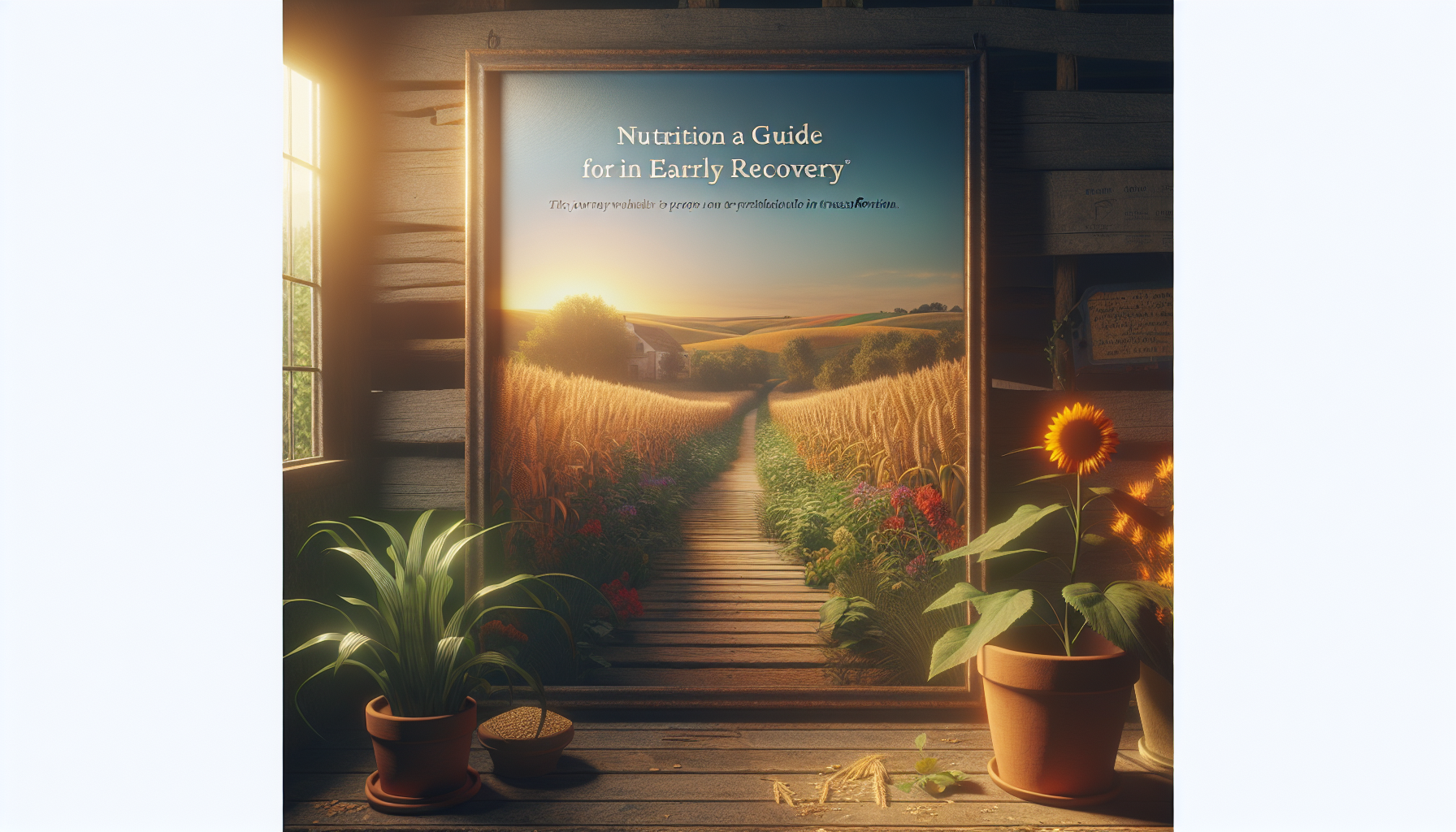
Nutrition Guide for People in Early Recovery in Iowa: A Local Guide
Embarking on the journey of recovery is a significant step towards a healthier, more fulfilling life. For those in early recovery in Iowa, focusing on nutrition is vital. Good nutrition supports not only physical health but also emotional and mental well-being. This Nutrition Guide for People in Early Recovery Iowa is designed to help you make informed choices that can aid in your recovery process.
Why Nutrition Matters in Recovery
Nutrition plays a crucial role in recovery from addiction. Substance use can deplete the body of essential nutrients, leading to deficiencies that may affect mood, energy levels, and overall health. A balanced diet can help restore these nutrients, improve cognitive function, and stabilize mood, which are all vital for those on the path to recovery.
Understanding Nutritional Needs
As you begin your recovery journey, it’s important to understand what your body needs. Here are some key nutrients to focus on:
- Proteins: Essential for repairing tissues and building muscle. Include lean meats, fish, eggs, beans, and legumes.
- Carbohydrates: Provide energy. Opt for whole grains, fruits, and vegetables that are rich in fiber.
- Fats: Healthy fats support brain health. Incorporate sources like avocados, nuts, seeds, and olive oil.
- Vitamins and Minerals: Vital for overall wellness. Focus on a variety of colorful fruits and vegetables to ensure you’re getting a range of nutrients.
Local Iowa Resources for Healthy Eating
Iowa is home to a plethora of resources that can assist you in maintaining a nutritious diet during your recovery. Here are some local options:
- Farmers' Markets: Fresh produce is readily available at local farmers' markets throughout Iowa. Consider visiting the Iowa Farmers Market website for locations and schedules.
- Community Supported Agriculture (CSA): Join a CSA program to receive weekly boxes of fresh produce directly from local farms.
- Nutrition Workshops: Organizations such as the Iowa Department of Public Health often host workshops that focus on healthy eating and cooking.
- Grocery Stores with Healthy Options: Many local grocery stores, like Hy-Vee and Fareway, offer healthy food options and may have nutritionists available to help you with meal planning.
Meal Planning Tips for Early Recovery
Creating a meal plan can help you stay on track with your nutrition goals. Here are some practical tips:
- Plan Ahead: Spend a little time each week planning your meals. This can prevent impulsive food choices that might not be healthy.
- Keep It Simple: Start with simple recipes that require minimal ingredients and preparation time.
- Batch Cooking: Prepare meals in larger quantities and store them for later. This can save time and ensure you have healthy options readily available.
- Stay Hydrated: Don’t forget to drink plenty of water throughout the day. Hydration is just as important as nutrition.
Mindful Eating Practices
In early recovery, it’s essential to cultivate a healthy relationship with food. Mindful eating can be a helpful practice:
- Listen to Your Body: Pay attention to hunger and fullness cues. Eat when you're hungry and stop when you're satisfied.
- Engage Your Senses: Take time to enjoy the colors, textures, and flavors of your food. Eating should be a pleasurable experience.
- Avoid Distractions: Try to eat without distractions like television or smartphones. Focus on your meal to enhance the experience.
Support Networks in Iowa
Recovery can be challenging, and having a support network can make a significant difference. Consider connecting with local support groups or recovery centers:
- Iowa Recovery Network: A resource for finding local support groups focused on recovery.
- 匿名戒酒互助会(AA)和匿名戒毒互助会(NA): These organizations offer meetings throughout Iowa for those in recovery.
- Local Counseling Centers: Many offer group therapy and nutrition counseling to support your recovery journey.
结论
As you navigate the early stages of recovery, remember that nutrition is a powerful ally. By focusing on nourishing your body with healthy foods, you can support your recovery and build a foundation for long-term wellness. Utilize local resources, engage in mindful eating practices, and lean on your support network as you embark on this journey.
If you or someone you know is in need of additional support, don’t hesitate to reach out to local recovery resources or a healthcare professional. Recovery is possible, and every step you take towards a healthier lifestyle counts.
For more information on recovery resources in Iowa, visit our website or contact us today!
Disclaimer: This article is for informational purposes only and does not constitute medical advice. Always consult with a healthcare professional before making any changes to your diet or recovery plan.
Sober Network is a directory, not an intake form. Explore local facilities and contact providers directly.