
Medication-Assisted Treatment (MAT) is a comprehensive approach to treating substance use disorders, particularly opioid and alcohol addiction. It combines FDA-approved medications with counseling and behavioral therapies to provide a holistic and evidence-based path to recovery. In Iowa, MAT is becoming increasingly available and recognized as a vital tool in combating addiction.
什么是药物辅助治疗(MAT)?
MAT is not simply replacing one drug with another. Instead, it leverages medications to stabilize brain chemistry, reduce cravings, and block the euphoric effects of substances of abuse. This allows individuals to focus on therapy and develop coping mechanisms, without being overwhelmed by withdrawal symptoms or intense cravings. The ultimate goal is sustained recovery and a return to a healthy, productive life.
药物辅助治疗中使用的药物
Several medications are commonly used in MAT for opioid and alcohol use disorders:
- Suboxone(丁丙诺啡/纳洛酮): Buprenorphine is a partial opioid agonist, meaning it binds to opioid receptors in the brain but doesn't produce the same intense high as drugs like heroin or fentanyl. This helps reduce cravings and withdrawal symptoms. Naloxone is added to prevent misuse; it only becomes active if the medication is injected, blocking opioid effects.
- 美沙酮: Methadone is a full opioid agonist, but it's long-acting, preventing the highs and lows associated with opioid use. It's dispensed daily at specialized clinics under strict medical supervision. Methadone can be highly effective for people with severe opioid use disorder.
- 纳曲酮(Vivitrol): Naltrexone is an opioid antagonist, meaning it blocks the effects of opioids. It's available in oral form or as a monthly injection (Vivitrol). Vivitrol is particularly helpful for individuals who have completed detox and are committed to remaining opioid-free, as it eliminates the possibility of getting high from opioids. Naltrexone is also used to treat alcohol use disorder. It reduces cravings and the rewarding effects of alcohol.
MAT 如何与咨询相结合
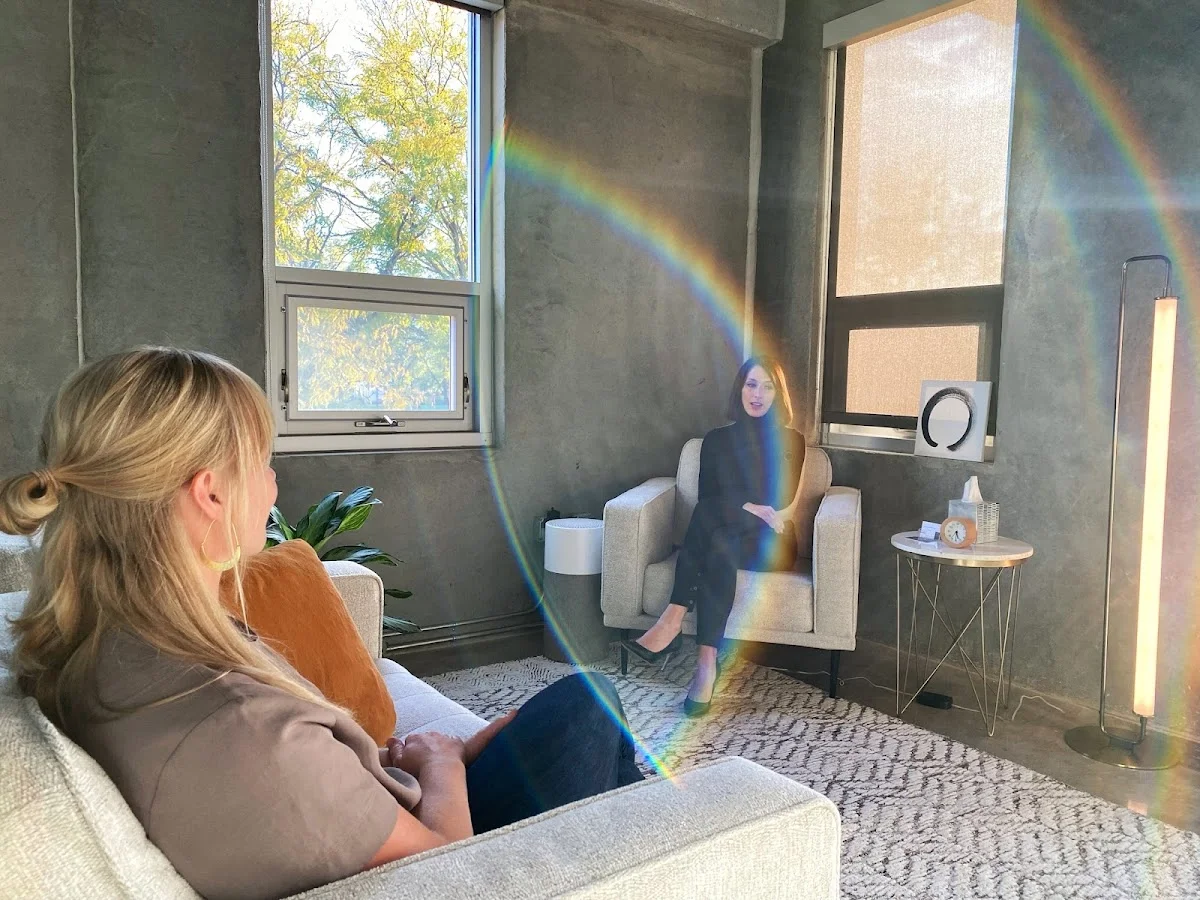
Medication alone is not enough for lasting recovery. MAT's true power lies in its integration with counseling and behavioral therapies. These therapies address the underlying psychological, social, and behavioral factors that contribute to addiction. Counseling helps individuals:
- Understand the root causes of their addiction.
- Develop coping skills to manage cravings and triggers.
- Improve relationships and communication skills.
- Address co-occurring mental health conditions, such as depression or anxiety.
- Build a strong support system.
Common therapeutic approaches used in conjunction with MAT include cognitive behavioral therapy (CBT), dialectical behavior therapy (DBT), motivational interviewing, and group therapy.
Finding MAT Providers in Iowa
Access to MAT is expanding in Iowa. Here's how to find providers:
- SAMHSA's Buprenorphine Treatment Practitioner Locator: This online tool allows you to search for providers authorized to prescribe buprenorphine (Suboxone).
- Iowa Department of Public Health: The IDPH website offers resources and information about substance use treatment services in the state.
- 您的家庭医生: Your doctor may be able to prescribe MAT medications or refer you to a qualified provider.
- 当地医院和诊所: Many hospitals and clinics now offer MAT services.
- 药物滥用治疗中心: These centers often provide comprehensive MAT programs, including medication management, counseling, and support groups.
When choosing a MAT provider, consider factors such as their experience, qualifications, treatment philosophy, and location. It's important to find a provider you feel comfortable with and who understands your individual needs.
MAT的保险范围
Most insurance plans, including Medicaid and private insurance, cover MAT services in Iowa. The Affordable Care Act (ACA) requires insurance plans to cover substance use disorder treatment as an essential health benefit. However, the specific coverage details can vary depending on your plan. Contact your insurance provider to understand your coverage for MAT medications, counseling, and other related services. Don't let concerns about cost prevent you from seeking treatment; financial assistance programs may also be available.
消除对药物辅助治疗的污名化
Unfortunately, stigma surrounding MAT still exists. Some people mistakenly believe that MAT is simply substituting one addiction for another. This is a harmful and inaccurate perception. MAT is a scientifically proven treatment that significantly improves outcomes for individuals with substance use disorders. It's crucial to educate ourselves and others about the benefits of MAT and challenge these negative stereotypes. By promoting understanding and acceptance, we can encourage more people to seek the help they need.
MAT的成功率
Numerous studies have demonstrated the effectiveness of MAT. Research shows that MAT can:
- Reduce opioid overdose deaths.
- Decrease illicit drug use.
- Lower rates of relapse.
- Improve treatment retention.
- Enhance overall quality of life.
MAT is not a quick fix, and success requires commitment and ongoing effort. However, with the right combination of medication, counseling, and support, individuals can achieve long-term recovery and reclaim their lives.
谁最能从MAT中受益?
MAT can benefit a wide range of individuals struggling with opioid or alcohol use disorders. It is particularly helpful for:
- People with moderate to severe opioid use disorder.
- Individuals who have struggled with repeated relapses.
- Pregnant women with opioid use disorder.
- Individuals with co-occurring mental health conditions.
- Anyone who desires a comprehensive and evidence-based approach to recovery.
If you or someone you know is struggling with addiction, MAT may be a life-saving option. Talk to your doctor or a qualified addiction treatment professional to learn more about MAT and determine if it's the right choice for you. Recovery is possible, and MAT can be a powerful tool on the path to a healthier and more fulfilling life.
爱荷华州更多康复资源
Sober Network is a directory, not an intake form. Explore local facilities and contact providers directly.